
-
- Coupons and offers
-
0
Checkout
Your shopping cart is empty!
08/08/2026
Obesity is a mounting health concern globally and is considered the pandemic of the 21st century. Its impact extends to millions of people worldwide regardless of their age or gender. According to WHO data from 2022, 1 in 8 individuals had obesity. Another study from the Global Burden of Disease highlighted that obesity accounts for 4.7 million adult deaths every year. Obesity is a chronic, complex health condition that is described as the accumulation of excessive fat in the body. The impact of obesity is not limited to cosmetic aspects only, but it may lead to various other health conditions such as diabetes, hypertension, musculoskeletal disorders, heart attacks, and certain types of cancer. Thankfully, the condition can be addressed with lifestyle modification and Obesity Treatment Drugs. It’s noteworthy to discuss with a professional before you opt to buy weight loss pills online. In this blog, we shed light on the causes, side effects, and treatment options for obesity so that you can live life full of confidence and self-esteem.
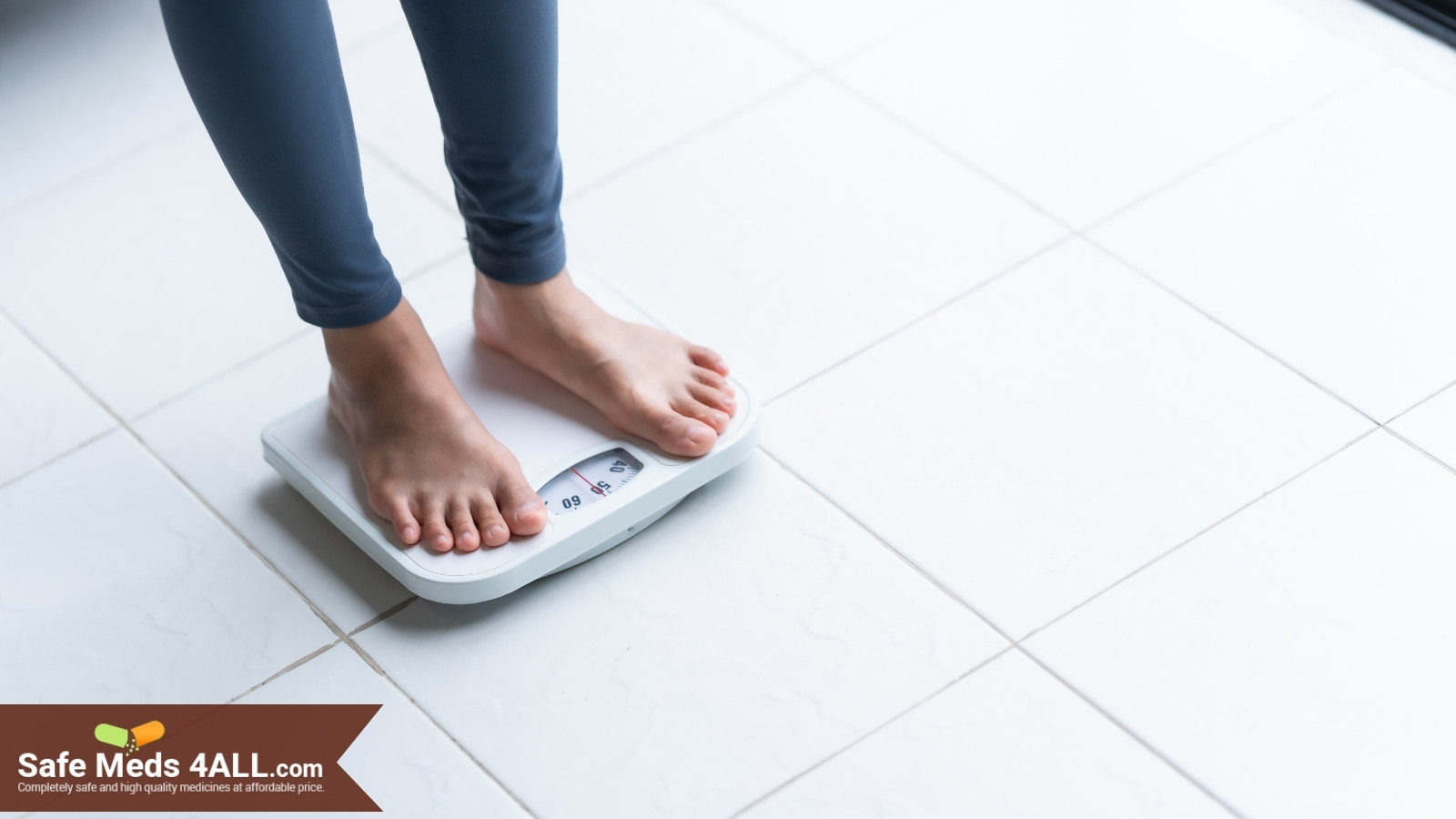
Obesity can be classified as the accumulation of excessive fat in the body that can impact various aspects of life, increase the risk of developing various chronic diseases, and dent your confidence. It occurs due to various reasons, such as when one intakes more calories than the body’s requirements, certain medications, stress, health conditions, and genetics. Usually, obesity is determined by the BMI (Body Mass Index), measured by dividing a person’s weight (in kg) by the square of a person’s height (in meters). A person with a BMI reading above 30 kg/m2 is considered to be obese, which is further classified into three subcategories. Below are various readings of BMI and what they correspond to as per the WHO standards:
|
BMI Classification BMI Range (kg/m2) Underweight Less than 18.5 Normal Weight Between 18.5 and 25 Overweight Between 25 and 30 Obesity Above 30 Class 1 Obesity Between 30 and 35 Class 2 Obesity Between 35 and 40 Class 3 Obesity (Severe) Above 40 |
BMI is not the only indicator to determine obesity; it’s one of the tools that gives you an approximate estimation, not the exact amount of fat stored in the body. You will need to get the blood work done to know the exact amount of fat in the body. Other tools, such as the circumference of the waist, also help in determining obesity. As per the Centers for Disease Control and Prevention (CDC) in the US, females with more than 35 inches and males with more than 45 inches of waist circumference are considered to be obese and are more prone to developing heart diseases and diabetes.
Obesity doesn’t mean you can’t lead a healthy and quality life; it can certainly be prevented, and there are various medications available on the market for tackling obesity. However, which medication would benefit you the most would be decided by your doctor. Therefore, it is very crucial that before you buy Weight Loss Medication Online, you must first ensure its safety by having a detailed discussion with your doctor. Below are a few FDA-approved medications that would help in addressing obesity:
Bupropion- Naltrexone: They help manage obesity by suppressing appetite, reducing cravings, and food intake.
GLP-1 Agonist: They help address obesity by making you feel fuller, regulating the appetite, and helping minimize glucose levels in the blood. Examples are Ozempic.
Semaglutide: These drugs help in obesity by suppressing the appetite and limiting calorie intake. Example: Ozempic, Wegovy
Liraglutide: These medications help in tackling obesity by reducing the appetite and slowing down the digestion process. Example: Saxenda
Orlistat: These medications reduce the absorption of fat from the gut, thereby helping manage obesity. Examples include Xenical and Alli.
Phentermine: These drugs work by decreasing your appetite and are approved to be used for a maximum of three months in a row. Examples: Lomaira, Suprenza.
Besides the above, there are several other medications that may be prescribed independently or in combination to address obesity. The loss of weight would vary from person to person, and if you don’t see a reduction in weight even after 12 weeks on the medication, your doctor may consider alternate treatment options.
Some people, particularly those experiencing Class 3 or severe obesity, may be recommended surgery for weight reduction, also known as Bariatric surgery, to reduce the risk of cardiovascular disease and Type 2 Diabetes. The process involves multiple surgeries of the stomach and small intestine, which further limit food intake and absorption, helping with weight loss.
Medication should be the last resort, as every medication has some side effect or the other. It would be better to focus on preventing obesity rather than working on finding a treatment. We can prevent obesity by incorporating small and effective adjustments. A few of those lifestyle modifications have been discussed below:
Making Healthy Choices: Avoid eating packaged, processed food and sugary foods with high calories. Even 150 extra calories daily may amount to an increase in weight of 10 pounds in a year; therefore, try substituting them with healthier snacks and drinks. You must stock healthy snacks and savor sweets only on special occasions.
Stay Physically Active: It is crucial to include regular physical exercise in your daily routine, as it helps burn calories and enhance metabolism. Opting for mild exercise such as jogging, running, cycling, swimming, or any such activity that you prefer may be beneficial in preventing obesity.
Behavioral Changes: Seeking behavioral therapy is also an effective tool in maintaining an optimal weight. It includes setting personal goals, limiting food intake, reducing portion sizes, and practicing mindful eating.
Balanced Diet: Take a balanced diet rich in nutrition and include whole grains, vegetables, fruits, legumes, lentils, healthy fats, and lean protein.
Manage Stress: You must not burden yourself with stress; step out, get fresh air, and practice deep breathing. Also, try to get adequate, quality sleep, as it impacts your weight too.
Obesity is a chronic disorder characterized by the accumulation of excessive fat in the body that negatively impacts your health and confidence. It is a common health issue worldwide, and its prevention requires a comprehensive treatment plan such as following a healthy and balanced diet, regular exercise, managing stress, and keeping a check on calorie intake. These changes may be suggested in addition to weight management medication, and if there aren’t still noticeable changes, you may be asked to undergo surgery to prevent further complications and minimize the risk of developing other health conditions such as diabetes, cardiovascular diseases, and certain cancers. Managing obesity requires making small adjustments and following them continuously for effective results. If you have been prescribed medications, stick to your doctor’s recommendation. Addressing obesity is not merely limited to outer appearance but also to maintaining muscle mass, energy, and overall physical health and well-being.
There are various prescription medications that help with weight loss by suppressing appetite, minimizing food absorption, and increasing the feeling of fullness. These medications include GLP-1 injections such as Ozempic and Wegovy, Liraglutide (Saxenda), and combination medications like Bupropion- Naltrexone and Phentermine-Topiramate.
Adults and adolescents with a BMI over 30 kg/m2 are eligible for obesity treatment medication. It is important that pregnant females keep away from GLP-1 injections, as it could be harmful to the fetus. They might be suggested alternate medications by their doctors.
Weight loss pills help in shedding about 5% to 10% of body weight in a year, but they work best when they are coupled with healthy eating habits and regular exercise. Weight loss pills don’t work as a magic wand; there is a chance of regaining weight upon discontinuation of the weight loss medication; hence, they require long-term management.
No, weight loss medications can not replace diet and exercise, though medications like GLP-1 receptor agonists help in significant reduction of weight; they are to be used as a supportive measure in conjunction with diet and exercise.
The common side effects of obesity medications include nausea, vomiting, diarrhea, headache, insomnia, acid reflux, and bloating. Certain weight loss medications may also cause oily stools and spotting, gas accompanied by oily discharge.

 and Earn

Disclaimer - The medications or products listed on the website are trademarks of their respective owners and are not owned by or affiliated with safemeds4all.com, whatsoever. The Information given on this website is for general purposes only and nothing else. We in no way intended to interfere or replace the advice given to you by your health care professional or medical advisor. Therefore, the information shared on the website is merely for the site visitors only; it should not be construed in any way that we intend to sell generic drugs as brand-name drugs. Or, if the site has any tie-up or links with the manufacturers or traders of the brand-name medicine.
Processing currency - All transactions on this website are processed in US Dollars



Comments