
-
- Coupons and offers
-
0
Checkout
Your shopping cart is empty!
09/30/2026
Chronic Obstructive Pulmonary Disease, a.k.a. COPD, is a chronic, progressive lung condition that limits airflow and makes breathing difficult. A huge number of people worldwide live with COPD, and while there is no cure available, there are certain treatment options that can reduce the symptoms, improve the quality of your life, and slow the progression of the disease. It is essential to understand the best treatment for managing the condition effectively. If left untreated, this dangerous condition can lead to serious heart problems, lung cancer, and other severe conditions. In this blog, we will be discussing the vast treatment choices for Chronic Obstructive Pulmonary Disease.
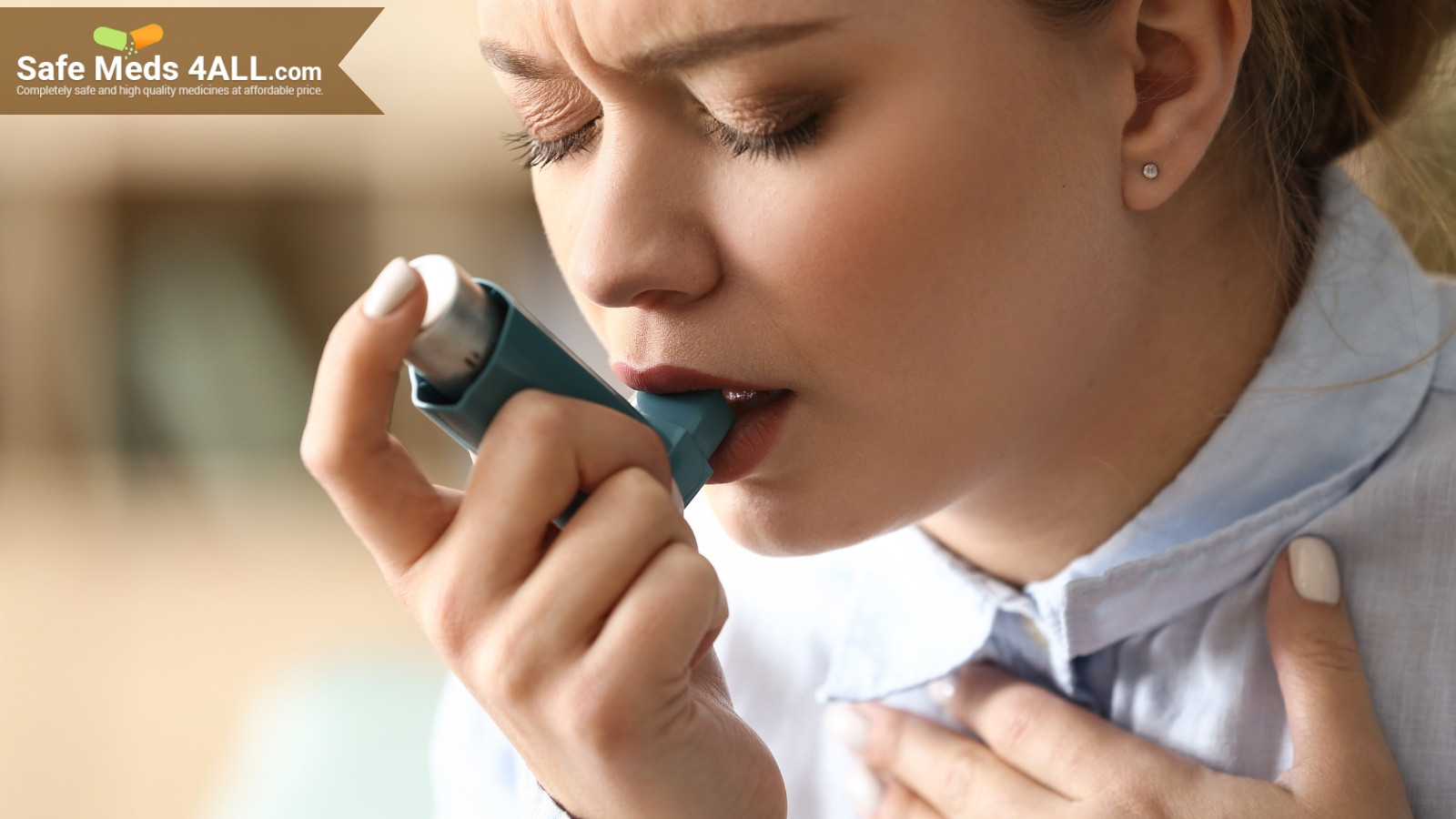
COPD is an umbrella term for lung conditions, such as emphysema and chronic bronchitis, that cause damage to the airways and lead to reduced airflow. COPD is the outcome of long-term exposure to irritants like cigarette smoke, air pollution, or workplace fumes. It is a chronic disease that tends to worsen over time and leaves a massive impact on the quality of your life.
The common symptoms of COPD include:
Shortness of breath
Cough
Wheezing
Fatigue
Frequent respiratory infections
Chest tightness
People with COPD are often treated with a combination of quick relief and long-lasting medications. By taking the right Chronic Obstructive Pulmonary Disease drugs at the right time, you can manage COPD effectively. Quick relief medications work by relaxing the airways and helping you breathe easier. This kind of medicine works rapidly and should be taken only if you have symptoms. Long-acting medications work by reducing the swelling and inflammation in your airways and preventing symptoms. These COPD medications should be taken every day, even if you feel well.
Although there is no cure for COPD, there are certain treatment options that can reduce the intensity of the problem. This is a kind of disease that develops several other complications too. Therefore, treatments such as medications and surgery can also help reduce the risk of additional complications.
Here are some of the effective treatment options for COPD.
Bronchodilators: These medications relax airway muscles, making breathing easier. There are certain short-acting bronchodilators that rapidly relieve symptoms, whereas long-acting bronchodilators take longer to take effect but maintain open airways for daily control and maintenance therapy.
Albuterol and Levalbuterol are some of the short-acting bronchodilators. Some of the effective long-acting bronchodilators are Formoterol and salmeterol.
Combination Inhalers: Sometimes your doctor may recommend an inhaler that has more than one medicine in it. Combination COPD inhalers combine bronchodilators and steroids to relieve bronchospasms and reduce inflammation. Some of the combination inhalers that include both bronchodilators and inhaled steroids are Budesonide and Formoterol (Symbicort), and Formoterol and Mometasone.
Inhaled Steroids: Inhaled corticosteroids suppress the inflammation in the lungs so it’s easier to breathe. Generally, steroid drugs are used with an inhaler or nebulizer. If you are dealing with a COPD flare-up, your healthcare expert may recommend steroid pills for a short time. Some of the inhaled steroids are Beclomethasone, Budesonide, calcitonin, and Mometasone.
Supplemental oxygen may be used in severe COPD to bring oxygen to your lungs if you are not getting enough. Lack of oxygen can be life-threatening, as it can result in organ damage and organ failure. Healthcare experts recommend this therapy during medical emergencies and surgery. Supplemental oxygen comes from a tank or machine and passes oxygen through a mask or cannula.
For serious cases, a lung transplant may be required. Surgical options for COPD include:
Long Volume Reduction Surgery: This technique removes the damaged sections of the lungs, expands healthy tissue, and improves respiration.
Lung Transplant: A lung transplant may be needed for patients with the last stage of COPD. In this procedure, damaged lungs are replaced with a donor’s lungs.
This is a special program that helps people struggling with COPD. It includes the provision of education, exercise, and counseling to help patients dealing with COPD. It can also provide additional benefits by increasing stamina and mood. Pulmonary Rehab centers will also monitor your oxygen level while you exercise and help you use supplemental oxygen if required.
COPD treatment gives best results when combined with healthy lifestyle habits. Here are the essential measures to follow:
Do Regular exercise: Engage in regular exercise to enhance lung function, increase endurance, and improve overall well-being. Certain exercise programs, generally provided through pulmonary rehabilitation, can help patients safely increase activity levels.
Take a balanced diet: Maintain a balanced diet to support overall health and a healthy weight, both of which are important for lung function. One should focus more on a diet rich in fruits, vegetables, whole grains, and lean proteins.
Keep your body hydrated: Stay hydrated, as it helps thin airway mucus and makes breathing easier.
Avoid Respiratory irritants: Avoid respiratory irritants by minimizing exposure to pollutants, allergens, smoke, dust, and strong odors.
Quit Smoking: Smoking is one of the leading causes of COPD. If you are still smoking, it’s high time you stop. You can join smoking cessation programs and seek support from groups.
As a progressive chronic disease, COPD can impact breathing and daily tasks if not treated on time. It may not be curable, but taking the right treatment can help you make a big difference in how you feel in your daily life. By following a regular treatment plan and making healthy lifestyle changes, you can breathe easier and live a better life. If you or your loved ones have COPD, talk to your doctor to get the treatment plan that best suits your needs. There are various treatment options such as medications, therapies, and surgeries that can effectively reduce the symptoms and help you manage this disease.
Common COPD medications include bronchodilators, inhaled corticosteroids, and targeted combination therapies that open airways and reduce inflammation.
The inhalers used for COPD are long-acting bronchodilators and short-acting bronchodilators or a combination of both. Long-acting bronchodilators include Albuterol and Ipratropium. Short-acting bronchodilators include Budesonide and Formoterol.
Yes, COPD can be effectively controlled and managed with treatment, though the underlying lung damage cannot be reversed; treatment can help slow the disease’s progression.
Quitting smoking, staying active, eating balanced meals, avoiding air pollutants, and managing stress are some of the lifestyle changes that can help manage COPD effectively.
Someone with COPD should seek medical attention immediately if they experience severe shortness of breath that’s not improving with regular medication, confusion, a grey or bluish tint on their lips and nails, or difficulty speaking in full sentences.

 and Earn

Disclaimer - The medications or products listed on the website are trademarks of their respective owners and are not owned by or affiliated with safemeds4all.com, whatsoever. The Information given on this website is for general purposes only and nothing else. We in no way intended to interfere or replace the advice given to you by your health care professional or medical advisor. Therefore, the information shared on the website is merely for the site visitors only; it should not be construed in any way that we intend to sell generic drugs as brand-name drugs. Or, if the site has any tie-up or links with the manufacturers or traders of the brand-name medicine.
Processing currency - All transactions on this website are processed in US Dollars



Comments