
-
- Coupons and offers
-
0
Checkout
Your shopping cart is empty!
05/01/2026
Are you constantly living in the anxiety of your child’s next asthma attack? Watching your child struggle to breathe could definitely be a heart-wrenching feeling. It is a challenging condition for your child as well, which affects various aspects of life. Childhood asthma is a serious condition that affects children worldwide. There are some risk factors that can’t be changed, like a family history of asthma, but at the same time, many factors can be influenced through early detection, proper care, and precautions. As a parent or a caregiver, it is really crucial to understand the symptoms and medications of Childhood Asthma. So in this blog, we will discuss the best ways to manage childhood asthma and prevent attacks.
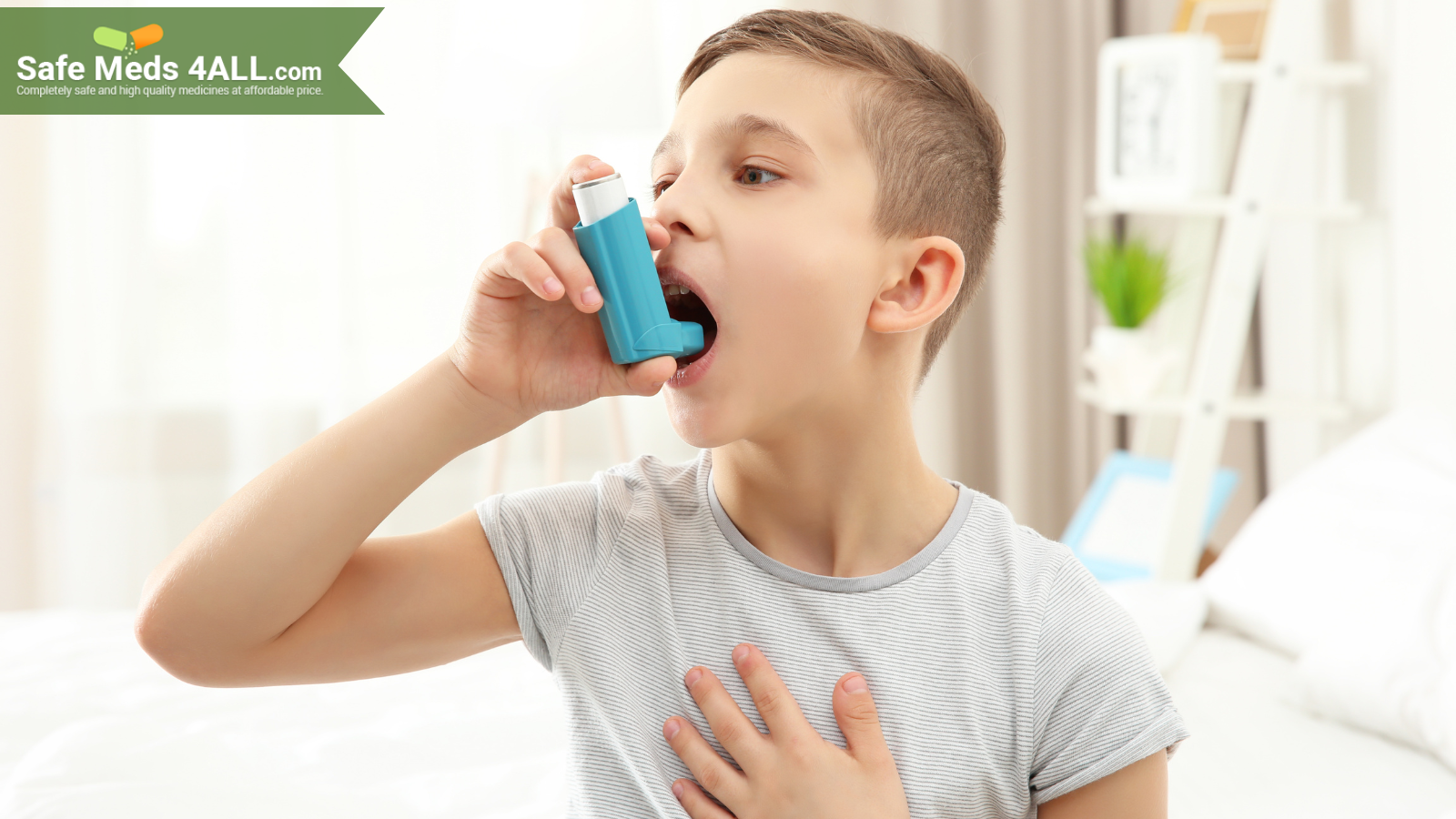
Childhood asthma, also known as pediatric asthma, is a condition in which a child’s airways become sensitive to triggers, leading to chest tightness, shallow breathing, persistent coughing, and wheezing. In asthma, air cannot reach the lungs because the airways swell and narrow. When a child with asthma comes in close contact with the triggers, their airways become narrow and inflamed, making it tough for them to breathe. Asthma can be different for different children; for some, it may be a minor issue, while for others it could be more severe, interrupting daily activities and leading to life-threatening asthma attacks. There could be numerous factors leading to more and more children developing asthma, such as exposure to allergens, lower rates of breastfeeding, and more.
Asthma in children can be triggered by numerous factors, including genetic and environmental factors. Recognizing these triggers is the first and most important step towards effective prevention and management. It is crucial to address these triggers in a way that provides children with a healthy environment free of asthma. Below are the common childhood asthma triggers:
Allergens: Various substances like pollens and dust mites contribute to childhood asthma symptoms. When inhaled, these allergens can irritate the airways and trigger an asthma attack.
Respiratory Infections: Respiratory infections such as colds and the flu can cause airway inflammation, which is one of the triggers of asthma symptoms. Ensure proper hygiene, such as frequent handwashing and periodic flu vaccinations, to prevent respiratory infections. Teach your children well to avoid touching their faces frequently.
Weather and Air Quality: Unexpected weather changes, particularly cold spells, can irritate the airways and trigger asthma symptoms. Make sure your children dress appropriately for the weather. You can also use scarves to cover their mouth to minimize the risks of asthma symptoms. Keep tracking the local weather forecast and stay indoors during severe weather.
Strong Emotions: Anxiety and stress can also give rise to asthma symptoms and might even worsen the present conditions. Teach your child about stress management techniques and maintain a supportive environment to avoid this trigger. Practices like deep breathing, meditation, and yoga can provide relaxation.
Strong Odors: Strong odors, such as perfumes and cleaning agents, can irritate the sensitive airways and trigger an asthma attack. To mitigate the risk, use unscented perfumes and natural cleaning products, and avoid heavily scented ones.
Symptoms of childhood asthma may vary from child to child. The symptoms might improve over time or even get worse over time. If your child is experiencing worsening symptoms of childhood asthma, consult your doctor. Here are the early signs and symptoms of childhood asthma:
Wheezing- It is a high-pitched, whistling sound that is caused by the narrowed airways, generally heard while exhaling. If frequent wheezing interferes with your sleep or breathing, you require an asthma evaluation. Medications like Bevespi Aerosphere 4.8 mcg/9 mcg generic inhaler are also advised to ease persistent wheezing and shortness of breath.
Frequent Cough, especially at night: Generally, it's a dry cough that does not produce sputum and might be present with wheezing. It is a frequent symptom in children, mainly during the cold season. A persistent cough, especially at night, could be a major sign of asthma.
Shortness of breath: Asthmatic children often experience shortness of breath, rapid breathing, or other breathing difficulties, especially during exercise. Such breathing troubles can cause children to stop playing or doing exercise due to discomfort.
Chest Tightness- Chest tightness and discomfort are the critical symptoms of pediatric asthma. Older children might inform and express their feelings about the heavy sensation and pain, but the younger ones might just cry, grab their chest, and express distress.
Asthma treatment may vary depending on your child's age, severity, and triggers. You might take all the essential steps to keep your child’s symptoms under control. However, if your child has severe symptoms, you may require certain treatments. You can easily buy asthma medications from any of the trusted pharmacies.
Inhaled Corticosteroids: These generic asthma drugs reduce the inflammation in the lungs that control the triggers of asthma symptoms. Most children require inhaled corticosteroids for many days or weeks before they start working. Some common examples are fluticasone, budesonide, and beclomethasone.
Theophylline: This medication is a daily pill that helps keep the airways open. It specifically relaxes the muscles around the lungs, making it easier for your child to breathe. Children taking this medication should have their blood checked regularly.
Combination Inhalers: A combination inhaler comprises both a corticosteroid and a long-acting beta agonist, such as fluticasone. It can be an amazing option for asthma cases that inhaled corticosteroids don’t help with.
Leukotriene Inhibitors: Leukotriene inhibitors, such as montelukast, block the function of leukotriene, which is one of the main substances that causes inflammation in the airways of children with asthma, triggered by allergies. Asthma symptoms that are not controlled by inhaled corticosteroids may respond to this medication.
Antihistamines: Antihistamines are also one of the options for children with asthma that is mainly triggered by allergic reactions. They can lessen the symptoms and can be an effective way of controlling allergy-related asthma attacks.
If there is anything to remember, it is that you don’t have to wait until the symptoms become severe. Recognizing asthma symptoms in children, avoiding potential asthma triggers, creating a supportive environment, and talking to your doctor about the best treatments for pediatric asthma are steps that will help minimize symptoms. You must know that your child’s respiratory health is not just about treatments and medications, but also about everyday habits, the environment, and choices. It's about helping them sleep better and breathe easier. It is essential to avoid triggers of childhood asthma. Early detection, early care, and early treatment are all that save lives. Before you buy asthma drugs, make sure to consult your doctor about your treatment.
The most common triggers of asthma attacks in children are allergens, respiratory infections, strong odors, strong emotions, weather, air quality, physical activity, furry animals, insects, and more.
Parents can prevent asthma attacks in kids by recognizing and minimizing the triggers, creating a supportive environment, giving controller medicines daily as prescribed, and following an asthma action plan.
Budesonide, fluticasone, and combination inhalers are the commonly used medications to manage childhood asthma. Moreover, there are various other effective medications that effectively manage childhood asthma.
For asthma control, a child should use the inhaler daily, usually 1 or 2 times, to reduce the inflammation in the airways.
If your child experiences severe breathing difficulties, blue/pale skin, rapid weakness, or no improvement after using the rescue inhaler, you should immediately consult your doctor.

 and Earn

Disclaimer - The medications or products listed on the website are trademarks of their respective owners and are not owned by or affiliated with safemeds4all.com, whatsoever. The Information given on this website is for general purposes only and nothing else. We in no way intended to interfere or replace the advice given to you by your health care professional or medical advisor. Therefore, the information shared on the website is merely for the site visitors only; it should not be construed in any way that we intend to sell generic drugs as brand-name drugs. Or, if the site has any tie-up or links with the manufacturers or traders of the brand-name medicine.
Processing currency - All transactions on this website are processed in US Dollars




Comments