
-
- Coupons and offers
-
0
Checkout
Your shopping cart is empty!
05/21/2026
Dealing with adult acne can be frustrating, isn’t it? Almost everyone of us has had acne or will have it at some point. Acne is one of the most common skin problems in the United States, which affects up to 50 million people. For some, it can be just one or two breakouts or pimples, but for many, it can be extremely inconvenient and may even lead to scarring. There is a misconception that acne only happens to teenagers, but that is not true. The fact is, adult acne is nowadays a prevalent issue, and the products that are designed to fight it seem to be compromised, which unfortunately results in more breakouts and irritates your skin. There may be several reasons for adult acne, but the good news is that it is a treatable condition. In this blog, we will not only explore the treatment options but will also discuss how to prevent future breakouts, supporting long-term skin health. So join us on this journey to figure out why acne happens and what daily routines we should follow to maintain clear, healthy skin in the long term.
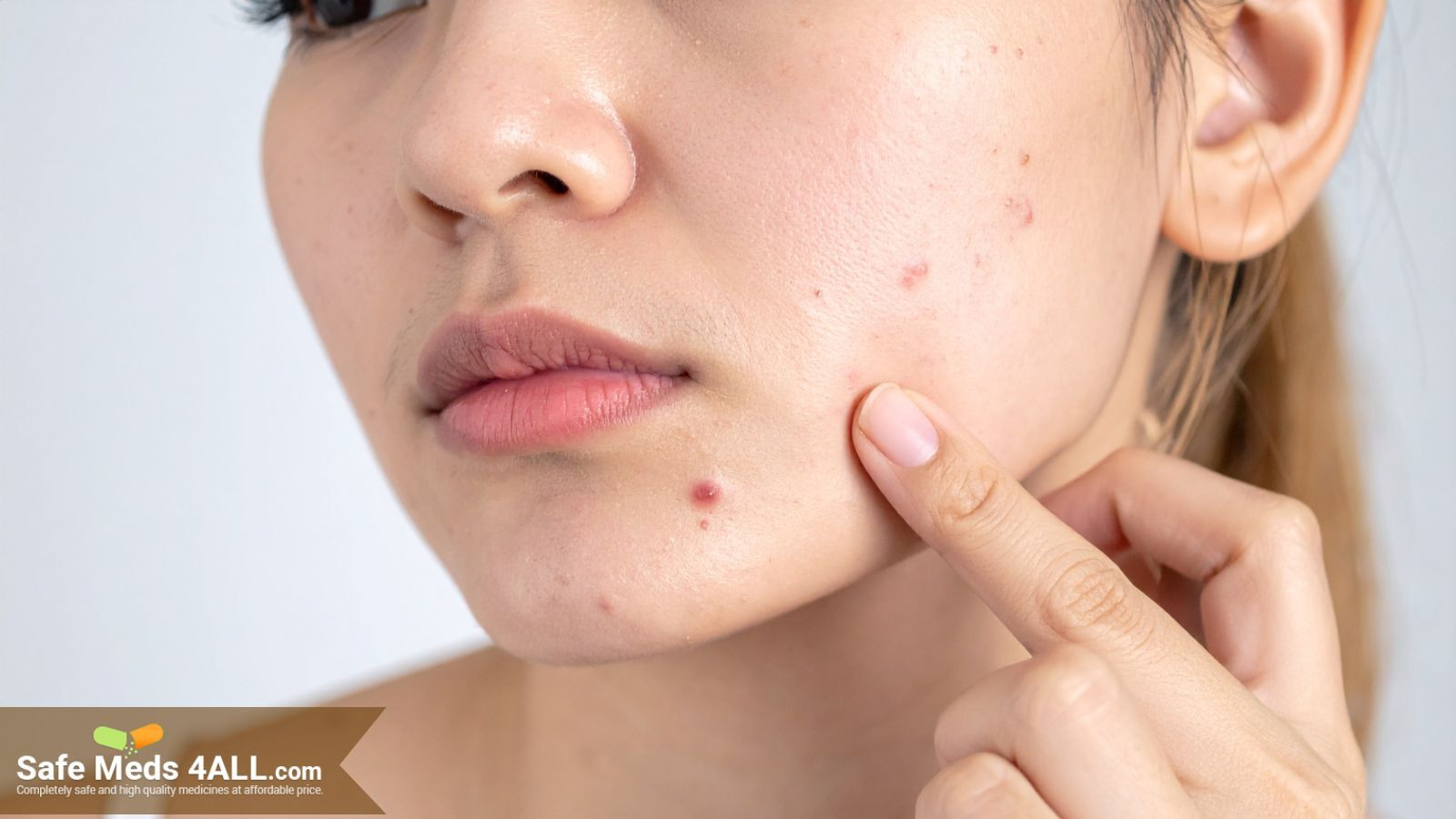
Before we get to the cause, we will see what acne actually is. So, acne is the most prevalent skin condition where your skin breaks out to form a bump or as a pimple on your face, neck, shoulder, chest, or back. While you can hide most of it, it’s hard to get rid of the acne on your face, which is really frustrating. They not only impact your look but also are very painful sometimes, which may affect your mood and can make you self-conscious. Now let’s see what causes acne.
Adult acne is often triggered by hormonal fluctuations, chronic stress, and changes in skin behavior like increased oil production and slower cell turnover. It can affect individuals of any age. The most common cause of acne in teens is hormonal imbalance, but it also affects adults. Most women have hormonal fluctuations during their menstrual cycle, menopause, or pregnancy, which can become a major cause of breakouts. So basically, the clogged pores due to stress, genetics, hormonal fluctuation, and the use of skin care products contribute significantly to the cause.
Adult skin is considered to be more sensitive and needs extra care, and it dries more easily than younger skin. Treating adult acne is an altogether step-by-step plan, and it's crucial to follow a consistent and careful skincare routine. The best approach is to consult a dermatologist if the home remedy and over-the-counter (OTC) remedies have failed to show any results. The most effective approach should be to clear the blocked pores by gentle cleaning, reducing oil production, and eliminating acne-causing bacteria. Let's discuss these steps in detail:
Non-prescription products can help you cover up occasional pimples. There are many creams and water-based products available over the counter that can offer relief for a while, but may not be helpful in getting rid of acne breakouts. Some of the ways through which you can treat acne without a prescription are:
1. Clean your face gently with a mild soap and water, not more than twice a day, which will remove dirt and oil without drying out your skin. Avoid scrubbing too hard because cleaning your face alone will not help, and you may end up with a skin injury.
2. After that, you can use products that contain salicylic acid or benzoyl peroxide, which will help you unclog the pores and combat acne.
3. Use a light oil-free moisturizer to keep your skin hydrated, even though your skin is oily, because moisturizing is very important.
4. Make sure to apply sunscreen before heading out to prevent damage to the skin from the harmful sun rays, which can worsen acne.
The key to enhancing your skin health and reducing breakouts is to be consistent with your routine and to make adjustments as per the response of your skin.
Normally, you may get relief from the OTC medications and by following the daily care routine, but if they fail to show any result and the breakouts feel painful, deep, or leave scars, you should immediately consult your dermatologist. Your dermatologist may prescribe you some medication that may include topical antibiotic creams such as Clindamycin (1%) + Zinc acetate (1%) (15gm) generic cream (antibiotic), which is a combination of antibiotics and zinc. The antibiotic is absorbed through the skin to eliminate the bacteria that cause acne, and zinc acetate increases tissue healing, reduces sebum production, and decreases antibiotic resistance. The zinc acetate also helps in preventing scarring. You can buy acne drugs online if you have a valid prescription from your dermatologist. It's always recommended to consult your dermatologist before you buy acne treatment drugs.
Adult acne is commonly referred to as Hormonal acne. It affects adults between 20 and 50 years of age. It usually happens due to the hormonal changes such as puberty, pregnancy, menopause, or menstruation. Adult acne affects both men and women, but is prevalent in women going through pregnancy or menopause. The hormonal change increases the production of oil that your skin produces naturally, leading to interactions with bacteria in the pores, resulting in acne. Stress, on the other hand, does not directly cause acne, but it amplifies the effect, and it makes the acne worse. Stress triggers hormonal fluctuations and skin inflammation, worsening the situation and slowing healing, which may lead to more breakouts.
Anyone undergoing acne treatment should be cautious about possible side effects and interactions with other medications and herbal remedies.
Many topical acne creams, such as salicylic acid, retinoids, and benzoyl peroxide, may cause side effects like redness, burning, dryness, and a tingling sensation at the initial stage. It’s recommended to apply a thin layer and always use a light moisturizer to relieve irritation.
Oral intake of antibiotics for more than a few weeks may increase the risk of yeast infection in women. In such cases, you should inform your doctor, and they may prescribe you anti-fungal medications, but do not stop antibiotics in between until your dosage is complete.
Do not overwash your face or the area of impact, as it may wash off essential natural oils, causing skin irritation and an increase in oil production, leading to more acne.
Some OTC or prescription medications may cause severe allergic reactions, such as trouble breathing, itching, hives, or a swollen face. So you should try the patch test (apply it in a small area for 2-3 days) before applying it to your face. In case of emergency, immediately reach out to your dermatologist.
To avoid sun sensitivity, always apply a wide-spectrum sunscreen that contains at least SPF 30 every day.
A few acne medications may not be recommended for individuals who are pregnant or breastfeeding. So, it's suggested to consult your healthcare representative before you Buy Online Acne Medications.
If you have any doubt or in case of any emergency, contact your doctor immediately to avoid any consequences.
Acne can be severe and stubborn, but that does not mean you have to accept it as your new "normal". There are a number of ways by which you can get rid of acne and successfully manage it. By following a daily skin-care routine in combination with OTC or prescribed medication such as Clindamycin (1%) + Zinc acetate (1%) (15gm) generic cream, you can combat acne effectively. Always remember that consistency is the key that plays a vital role in acne treatment because the end goal should be to prevent active breakouts, scarring, and future flare-ups, supporting better skin health in the long run. You should refer to your dermatologist as soon as possible for severe acne, as they can help you achieve healthy, shiny skin. Let's embrace this path to healthier skin together!
Acne in adults is driven by the same root causes as teenage acne: clogged pores, primarily due to stress, genetics, hormonal fluctuations, and the use of skin care products. These factors make your skin produce excess oil and trap dead skin cells, even if your teenage years are long gone.
Hormonal changes during menstruation, puberty, pregnancy, or menopause can influence acne in adults. Primarily, the testosterone and estrogen levels play a significant role as they cause greasy skin due to the production of sebum, blocking the hair follicles, and forming clogged pores and inflammation at the surface of the skin, also called acne.
Stress cannot directly cause acne, but the reports suggest that it has the ability to make an existing acne worse. Stress triggers hormonal fluctuations and skin inflammation. This can make the situation worse and slow the healing process, potentially leading to more breakouts.
The best skin care routine that should be followed to manage adult acne is cleaning your skin twice a day so that it removes excess oil, dirt, or makeup. Moisturize your skin to prevent overproduction of oil and keep your skin hydrated. Stick to your treatment plan and use a daily sunscreen.
The major difference between adult acne and teenage acne lies in their root cause, type of skin, and physical appearance. Teen Acne is caused mainly by puberty and an excess of oil on the face, while adult acne is largely driven by hormonal changes, stress, and lifestyle factors.

 and Earn

Disclaimer - The medications or products listed on the website are trademarks of their respective owners and are not owned by or affiliated with safemeds4all.com, whatsoever. The Information given on this website is for general purposes only and nothing else. We in no way intended to interfere or replace the advice given to you by your health care professional or medical advisor. Therefore, the information shared on the website is merely for the site visitors only; it should not be construed in any way that we intend to sell generic drugs as brand-name drugs. Or, if the site has any tie-up or links with the manufacturers or traders of the brand-name medicine.
Processing currency - All transactions on this website are processed in US Dollars




Comments